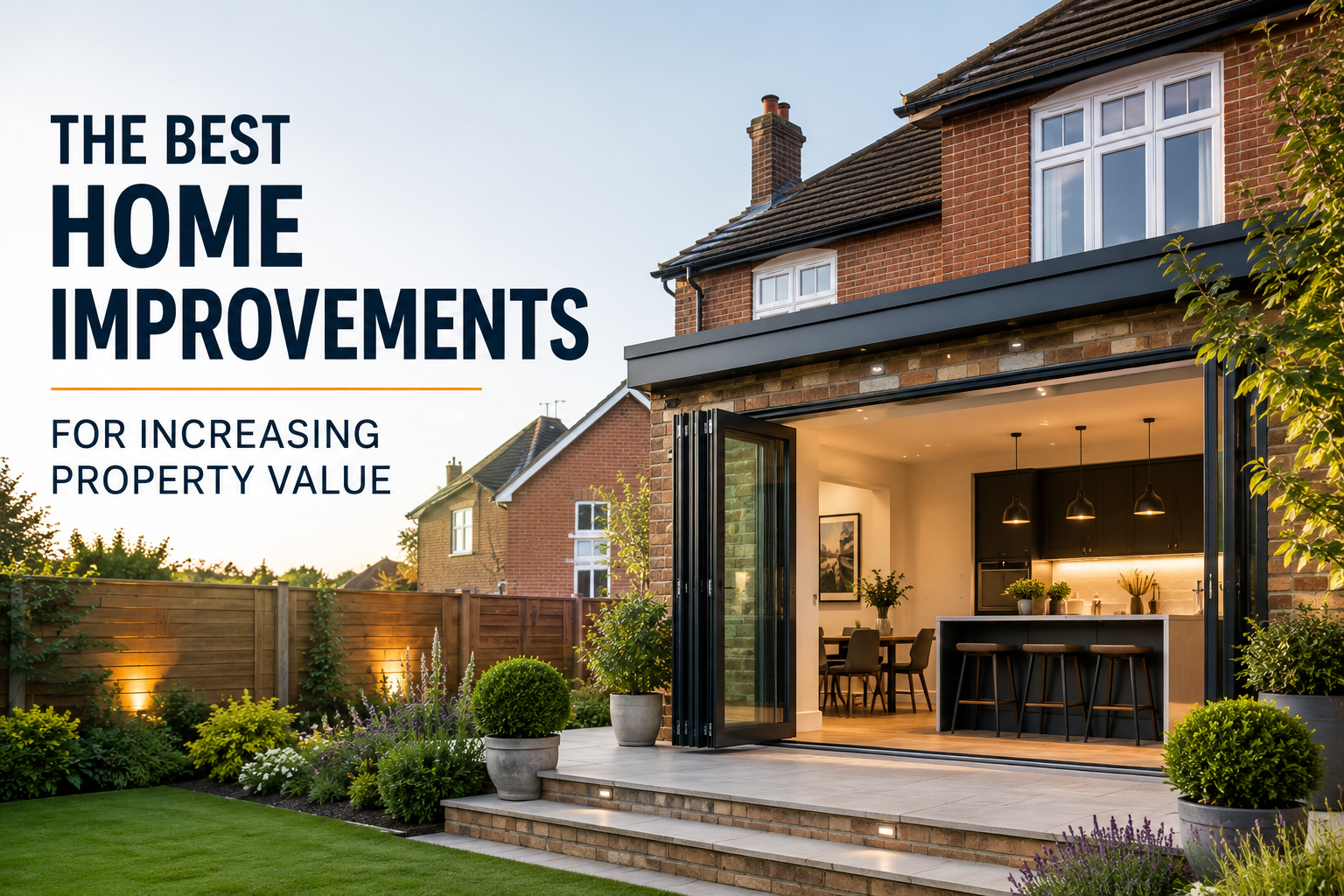
Whether you’re planning to sell your home in the near future or simply want to make a smart long-term investment, choosing the right home improvements can significantly increase your property’s value. However, not all renovations deliver the same return. Some projects improve day-to-day living while also making a property more attractive to future buyers, while others may cost more than they add in value.
The key is to focus on improvements that enhance functionality, energy efficiency, kerb appeal, and the overall condition of the property. Here’s a closer look at some of the most worthwhile home improvements for UK homeowners.
Modernise the Kitchen
The kitchen is often described as the heart of the home, and for good reason. It’s one of the first areas buyers evaluate because it’s used every day and can be expensive to replace.
That doesn’t necessarily mean you need a luxury kitchen costing tens of thousands of pounds. Smaller updates can often make a big difference.
Consider improvements such as:
Replacing worn cupboard doors
Installing new worktops
Updating cabinet handles
Adding modern lighting
Replacing old taps
Refreshing splashbacks
Installing energy-efficient appliances
A clean, practical, well-designed kitchen is often more appealing than an expensive kitchen that doesn’t suit the property.
Upgrade the Bathroom
Bathrooms are another space where buyers pay close attention.
Simple improvements can include:
Replacing cracked tiles
Installing modern fittings
Improving ventilation
Replacing worn silicone
Updating mirrors and lighting
Adding water-efficient fixtures
A fresh, bright bathroom creates the impression of a well-maintained home.
Add More Living Space
Increasing usable floor space is one of the most reliable ways to add value.
Options include:
Single-storey extensions
Double-storey extensions
Loft conversions
Garage conversions
Garden rooms
Many homeowners choose to extend rather than move, particularly where larger properties are becoming more expensive.
Additional bedrooms, home offices, and open-plan living areas are especially attractive in today’s housing market.
Improve Energy Efficiency
Energy performance has become increasingly important as utility costs continue to rise. Buyers often look at a property’s Energy Performance Certificate (EPC) before making decisions.
Some worthwhile improvements include:
Better loft insulation
Roof insulation
Double or triple glazing
Energy-efficient doors
Improved ventilation
Modern heating systems
Smart heating controls
These upgrades not only reduce running costs but also make homes more comfortable throughout the year.
Maintain the Roof
The roof is one of the most expensive parts of a property to replace, so buyers naturally pay attention to its condition.
Common improvements include:
Replacing damaged tiles
Repairing flashing
Cleaning gutters
Fixing leaks
Replacing fascias and soffits
Improving insulation
A well-maintained roof reassures buyers that major maintenance costs are unlikely in the near future.
Improve Kerb Appeal
First impressions matter.
The exterior of your home can influence buyers before they even step inside.
Simple improvements include:
Painting the front door
Cleaning driveways
Pressure washing paths
Repairing fences
Landscaping the garden
Installing modern outdoor lighting
Replacing damaged paving
These relatively affordable jobs can make the property look significantly more inviting.
Refresh Decoration
Fresh paint remains one of the most cost-effective improvements.
Neutral colours help buyers imagine their own furniture in the property and make rooms appear brighter and larger.
Repairing cracked plaster, touching up skirting boards, and repainting tired walls can transform the feel of an entire house.
Invest in Quality Carpentry
Bespoke carpentry can improve both appearance and practicality.
Popular upgrades include:
Built-in wardrobes
Under-stairs storage
Custom shelving
Media walls
Fitted home office furniture
Alcove storage
Storage is increasingly important for buyers, particularly in family homes.
Well-designed fitted furniture often makes better use of available space than freestanding alternatives.
Upgrade Windows and Doors
Older windows and doors can make an otherwise attractive property feel dated.
Replacing them can improve:
Security
Energy efficiency
Noise reduction
Appearance
Property value
Modern windows also require less maintenance and often improve the EPC rating.
Improve Outdoor Living Space
Outdoor areas have become far more valuable in recent years.
Useful improvements include:
Timber decking
Patios
Pergolas
Outdoor lighting
Seating areas
Garden offices
Privacy screening
Even relatively small gardens can become attractive entertaining spaces with thoughtful design.
Address Maintenance Issues
Before investing in expensive renovations, it’s worth fixing existing problems.
Buyers quickly notice signs of neglect such as:
Damp
Cracked walls
Broken gutters
Leaking taps
Faulty electrics
Peeling paint
Loose roof tiles
These issues can reduce buyer confidence and may even affect mortgage valuations.
Create Flexible Spaces
Modern lifestyles have changed how people use their homes.
Many buyers now want rooms that can serve multiple purposes, such as:
Home office
Guest bedroom
Gym
Study
Children’s playroom
Flexible layouts often appeal to a wider range of buyers than highly specialised rooms.
Improve Lighting
Lighting has a major influence on how spacious and welcoming a property feels.
Simple improvements include:
LED downlights
Pendant lighting
Under-cabinet kitchen lighting
Exterior lighting
Larger mirrors to reflect natural light
Well-lit homes often appear larger and more modern during viewings.
Don’t Over-Personalise
One common mistake homeowners make is designing purely around their own taste before selling. Very bold colours, unusual layouts, or highly customised features may limit buyer interest. Choosing timeless materials, neutral colours, and practical layouts generally appeals to the widest audience.
Focus on Quality Over Quantity
It’s often better to complete a few improvements to a high standard than attempt numerous projects with poor workmanship.
Buyers notice details such as:
Straight tiling
Smooth paint finishes
Well-fitted doors
Quality flooring
Consistent finishes
Attention to detail creates confidence throughout the property.
Consider Your Local Market
Not every improvement adds the same value in every location.
For example:
A large extension may offer excellent value in one neighbourhood.
A luxury kitchen may exceed what buyers expect in another.
A home office may be more desirable than an additional reception room.
Researching comparable local properties can help identify which improvements are likely to provide the greatest return.
Think Long Term
Home improvements shouldn’t be viewed solely as a way to increase resale value. The best projects are those that improve your quality of life while also making your property more attractive to future buyers.
Energy-efficient upgrades reduce household bills. Better storage makes everyday living easier. Modern kitchens and bathrooms create more enjoyable spaces, while regular maintenance protects the long-term condition of the property.
Final Thoughts
Increasing property value isn’t always about spending the most money. In many cases, thoughtful, practical improvements provide the greatest return. A well-maintained roof, modern kitchen, updated bathroom, improved energy efficiency, quality carpentry, attractive outdoor spaces, and good general maintenance all contribute to a home that buyers find appealing.
Rather than chasing trends or undertaking unnecessary luxury renovations, focus on creating a home that is functional, efficient, and well cared for. These are the qualities that consistently attract buyers, support stronger valuations, and help properties stand out in a competitive housing market. By investing in improvements that balance practicality with lasting appeal, homeowners can enjoy the benefits now while protecting the long-term value of their property.